
Get Water Damage Mitigation in Chicago, IL
Water damage mitigation services for Chicago property owners involve local contractors addressing flooding, leaks, or storm damage to prevent mold, structural issues, and further destruction.
Property owners in Chicago, IL, facing water damage concerns understand the importance of timely and effective mitigation. Water intrusion can lead to structural issues, mold growth, and costly repairs if not addressed promptly. Exploring options for water damage mitigation services helps ensure that the property is protected and restored efficiently, minimizing potential disruptions. By considering local contractors experienced in handling water damage, property owners can plan their projects with confidence, knowing they are connecting with service providers familiar with the unique challenges of Chicago-area buildings.
Comparing available water damage mitigation services in the area allows property owners to identify experienced local contractors equipped to handle a variety of situations. Whether dealing with recent leaks, flooding, or ongoing moisture issues, finding the right professionals is a key step in safeguarding property value and integrity. Continued research and consultation with trusted service providers can support informed decisions, making it easier to plan and execute effective water damage restoration efforts tailored to Chicago's specific needs.
- Basement Flooding - when heavy rains or plumbing failures cause water to accumulate in lower levels of homes in neighborhoods like Lincoln Park or Wicker Park.
- Roof Leaks - during storms or after severe weather, roof damage may lead to water seeping into living spaces in areas such as Hyde Park or Rogers Park.
- Broken Pipes - due to aging plumbing or accidental damage, resulting in water spreading through homes in the Loop or South Side communities.
- Sump Pump Failures - when sump pumps malfunction or are overwhelmed during heavy downpours, risking water intrusion in basements across Chicago neighborhoods.
- Frozen or Burst Pipes - in winter months, pipes may freeze or burst, causing water damage in homes throughout the city, including neighborhoods like Evanston and Oak Park.
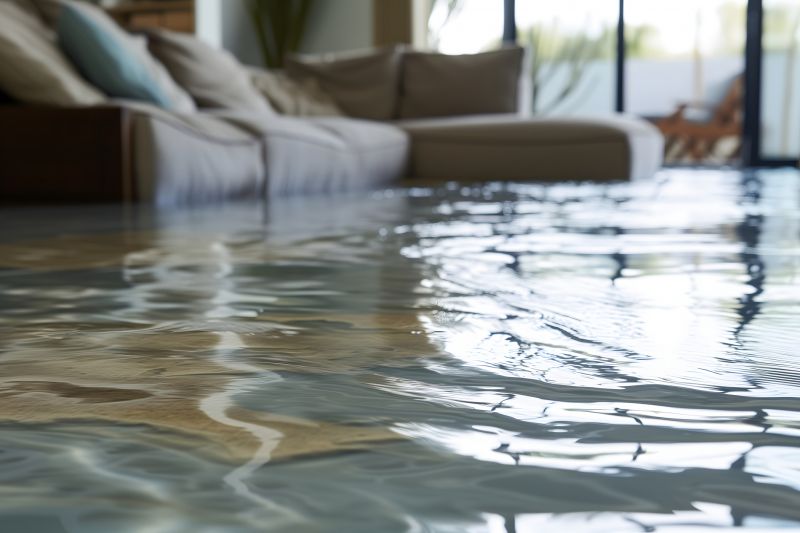
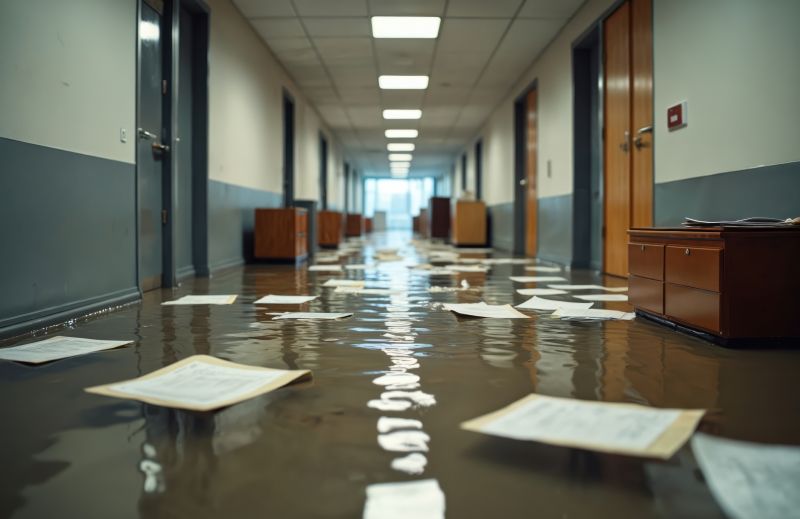
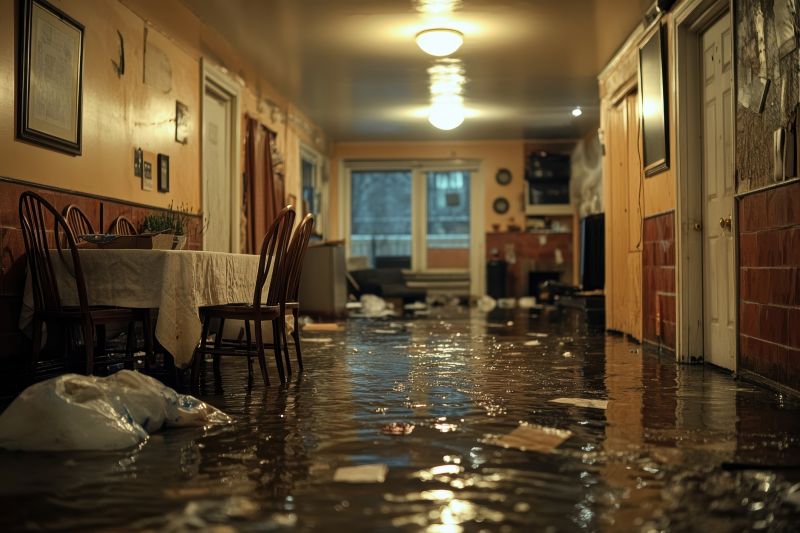
Water damage mitigation services involve identifying, controlling, and removing excess moisture caused by leaks, flooding, or other water-related incidents. These services typically include water extraction, drying, and dehumidification to prevent further damage and reduce the risk of mold growth. Professional contractors use specialized equipment to thoroughly dry affected areas, ensuring that moisture does not linger and cause long-term issues. Proper mitigation is essential for protecting the structural integrity of a property and maintaining a safe living environment.
Many common problems prompt the need for water damage mitigation. These include burst pipes, leaking appliances, roof leaks, or flooding from severe weather events. When water infiltrates walls, flooring, or ceilings, it can lead to warped surfaces, stained materials, and compromised building components. Without prompt action, moisture can also foster mold and bacteria growth, which can pose health risks. Engaging experienced service providers can effectively address these issues and help prevent more extensive damage down the line.
Water damage mitigation services are frequently used in residential properties such as single-family homes, townhouses, and condos. These types of properties are often vulnerable to water intrusion from plumbing failures, appliance leaks, or weather-related incidents. Commercial properties, including small offices or retail spaces, may also require mitigation if flooding or leaks occur. Regardless of property type, timely intervention by skilled contractors can minimize damage, reduce repair costs, and restore the space to a safe and habitable condition.
Homeowners and property managers should consider water damage mitigation services whenever water intrusion is suspected or confirmed. Signs such as musty odors, visible stains, warped flooring, or persistent dampness indicate that professional intervention may be needed. Addressing water issues promptly not only helps preserve the property’s value but also prevents the development of mold or structural deterioration. Connecting with experienced local service providers ensures that appropriate measures are taken to resolve water problems efficiently and effectively.
The overview below groups typical Water Damage Mitigation projects into broad ranges so you can see how smaller, mid-sized, and larger jobs often compare in Chicago, IL.
In many markets, a large share of routine jobs stays in the lower and middle ranges, while only a smaller percentage of projects moves into the highest bands when the work is more complex or site conditions are harder than average.
Smaller Repairs - Typical costs for minor water damage mitigation in Chicago often range from $250-$600. Many routine jobs, such as drying out small affected areas or minor repairs, fall within this range. Fewer projects reach the higher end of this band.
Moderate Damage - Projects involving more extensive water removal, drying, and repairs usually cost between $1,000-$3,000. These are common for residential properties with moderate water intrusion requiring multiple services.
Large or Complex Jobs - Larger projects, such as significant structural drying or extensive mold remediation, can range from $3,500-$7,000. Many of these projects are more involved but still fall within this middle to upper tier.
Full Replacement or Major Restoration - Complete water damage mitigation, including replacing drywall, flooring, and structural components, can exceed $10,000, with some complex cases reaching $20,000+ in Chicago. Such extensive work is less common and typically reserved for severe damage scenarios.
Actual totals will depend on details like access to the work area, the scope of the project, and the materials selected, so use these as general starting points rather than exact figures.
Mold Remediation Projects - These involve removing mold growth caused by water damage, requiring similar moisture detection and containment skills as water damage mitigation.
Flood Cleanup Services - Flood restoration involves water extraction, drying, and sanitation, paralleling the processes used in water damage mitigation efforts.
Structural Drying Projects - These focus on drying out walls, floors, and building structures after water intrusion, utilizing comparable equipment and planning methods.
Storm Damage Restoration - Restoring properties after storm-related water intrusion involves similar assessment, water removal, and drying techniques as water damage mitigation.
Basement Waterproofing - Installing barriers and drainage systems to prevent water infiltration shares planning and moisture control skills with mitigation services.
Emergency Water Extraction - Rapid removal of standing water from properties requires the same expertise in water extraction and moisture management as mitigation projects.
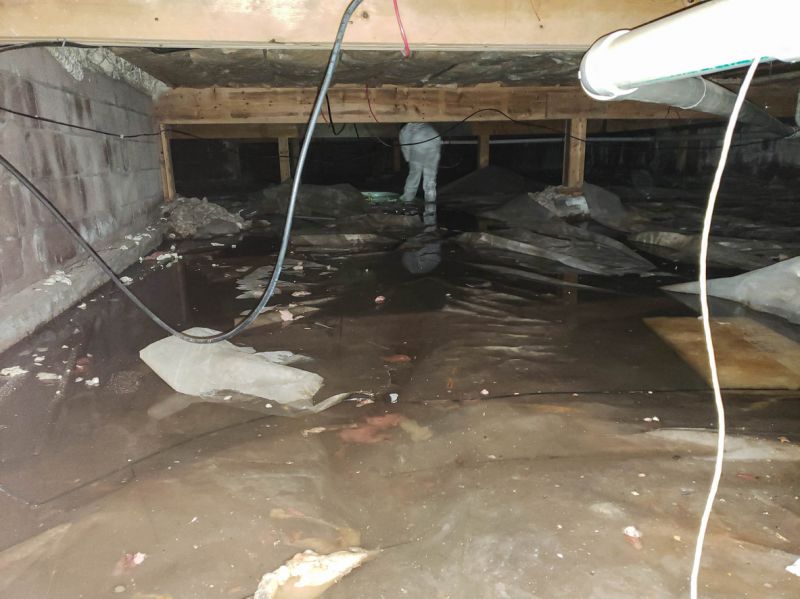
When evaluating water damage mitigation service providers, it’s important to consider their experience with projects similar to your situation. Homeowners should inquire about the types of water damage they have handled, such as basement flooding, burst pipes, or storm-related issues, to ensure the contractor has relevant background. A contractor with a proven track record in managing comparable cases can often provide more effective and efficient solutions, reducing the risk of overlooked issues or recurring problems.
Clear, written expectations are essential for a successful mitigation process. Homeowners should seek service providers who can outline the scope of work, the methods they plan to use, and the anticipated outcomes in a straightforward manner. This transparency helps establish trust and ensures everyone is aligned on what the project entails. It’s also beneficial to review any written estimates or plans beforehand, which can serve as a reference throughout the mitigation effort.
Reputable references and strong communication are key indicators of a reliable contractor. Homeowners are encouraged to ask for references from past clients with similar projects and to verify the quality of work and professionalism. Good communication involves prompt responses to questions, clear explanations of procedures, and a willingness to address concerns. Since the site introduces homeowners to local service providers, it’s important to select those who demonstrate transparency, responsiveness, and a history of satisfied clients, rather than assuming any one contractor is the right choice without proper research.
Property owners in Chicago, IL use Water Damage Mitigation services for practical projects around their homes and businesses. This guide focuses on everyday jobs and straightforward project options.
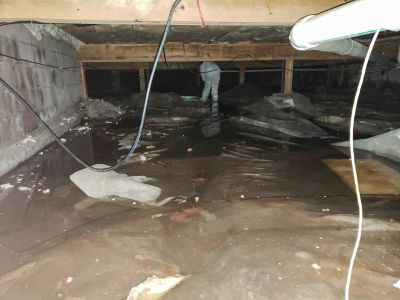
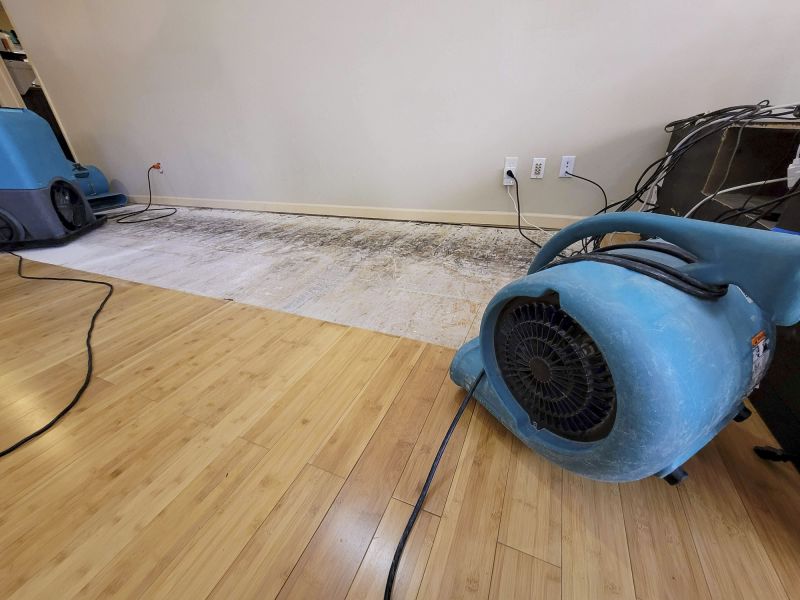
Water damage mitigation services are often needed after unexpected events such as heavy rainstorms, burst pipes, or appliance leaks that can occur in Chicago homes and businesses. Property owners may seek out local contractors to quickly address water intrusion, prevent further damage, and restore their spaces. Whether dealing with a flooded basement or moisture buildup in walls, homeowners and property managers rely on nearby service providers to handle the cleanup and drying process efficiently.
In addition to emergency situations, water damage mitigation may be necessary for ongoing issues like persistent leaks or high humidity levels that lead to mold growth. Local contractors can assess the extent of damage, remove excess water, and implement drying techniques to protect the property’s structure and interior. These services help property owners maintain a safe, dry environment and prevent more costly repairs down the line.
What is water damage mitigation? Water damage mitigation involves services that reduce and control water intrusion, preventing further damage to property and belongings.
How do local contractors handle water damage cleanup? They assess the affected areas, remove excess water, and dry out the space using specialized equipment to minimize damage.
Can water damage mitigation prevent mold growth? Yes, proper mitigation includes thorough drying and moisture control, which helps prevent mold from developing.
What types of water damage do service providers typically address? They handle various types, including from leaks, flooding, burst pipes, and appliance overflows.
Why should I hire professionals for water damage mitigation? Professionals have the expertise and equipment to effectively reduce damage, dry out the space, and prevent further issues like mold or structural problems.
Water Damage Prevention Tips - Learn practical ways to reduce the risk of water damage in your home, such as managing drainage and sealing leaks, with advice from local contractors.
Moisture Detection Solutions - Use suggestions for moisture monitoring tools and techniques to identify hidden leaks early before they cause extensive damage.
Emergency Water Removal Strategies - Explore methods to quickly address minor flooding or spills to minimize long-term damage and mold growth.
Property Inspection Ideas - Discover how routine inspections by local service providers can help spot potential water issues before they develop into major problems.
If you are thinking about Water Damage Mitigation for a property in Chicago, IL, this guide is meant to help you understand the work, the typical project types, and how different options might fit your plans.
When you are ready, you can use the quote form on this page to share a few details about your project. From there, local pros can review the basics and respond with options that match what you have in mind.